


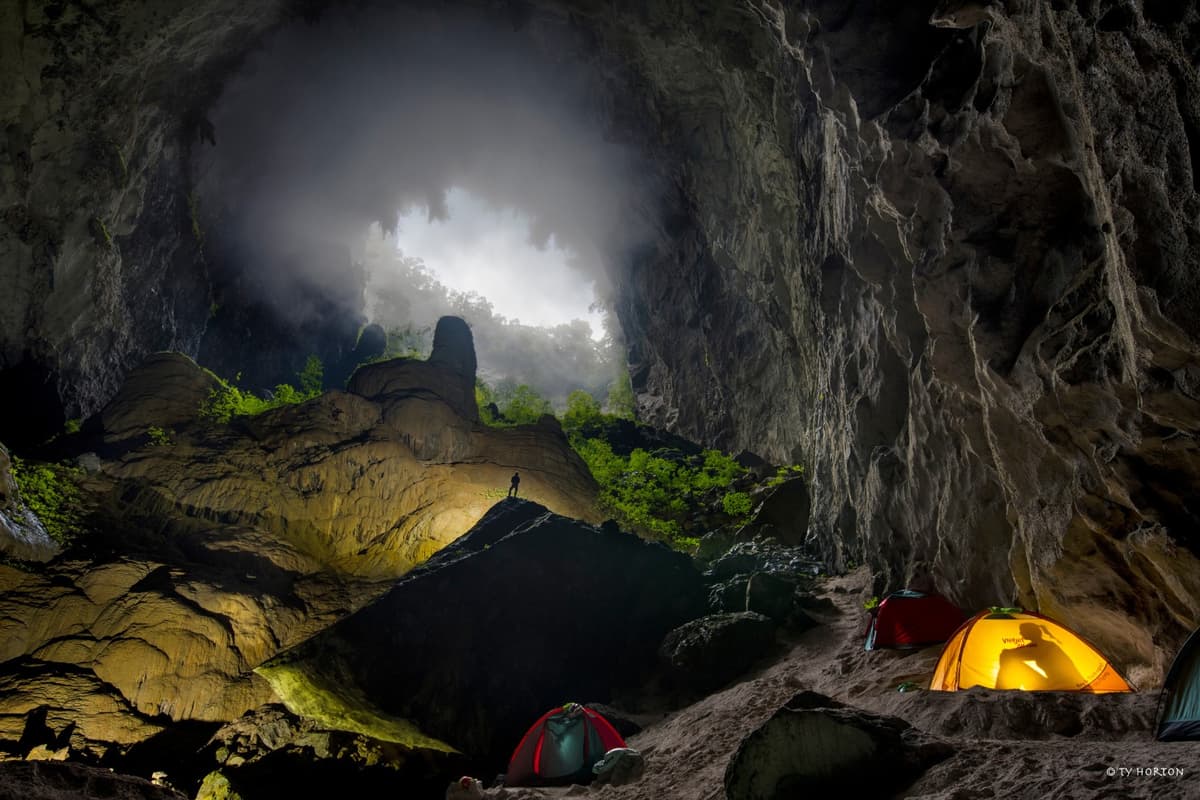
The Son Doong Expedition is renowned for its extraordinary campsites, once honored by the UK’s Daily Mail in 2017 as the “world’s most impressive campsite.” During this once-in-a-lifetime journey, travelers will spend the night at three unique camps established and managed by Oxalis Adventure: Hang En Camp, Doline 1 Campsite, and Doline 2 Campsite. Notably, Doline 1 and Doline 2 are located deep inside Son Doong Cave, offering a rare and unforgettable experience.
Let’s explore what makes these three camps so special—their unique comforts, one-of-a-kind scenery, and why they’ve become dream stopovers for every Son Doong explorer.
Overview of Son Doong Campsites
All camps are set on wide, clean, and dry sandy grounds. Thanks to their locations near the cave’s dolines, natural light streams down through the ceilings, allowing visitors to witness surreal sunrises and sunsets underground. The cave’s temperature is stable year-round, ranging from 22–25°C in summer and 16–20°C in cooler months. For safety, each campsite is carefully positioned, with backup areas and emergency food supplies available in case of floods.
Hang En Camp
The first stop is Hang En, one of the world’s largest caves. The camp lies on a broad sandy floor about 700 meters from the entrance. In front of the campsite is a turquoise pool, perfect for a refreshing swim after a long trek.
In the dry season, sunbeams shine deep into the cave, creating a majestic scene, while at night, the camp becomes an ideal spot for stargazing and watching the full moon. From March to August, the lively chirping of swifts fills the cave, sometimes accompanied by the calls of monkeys and langurs outside, creating a vibrant natural symphony.
Doline 1 Campsite
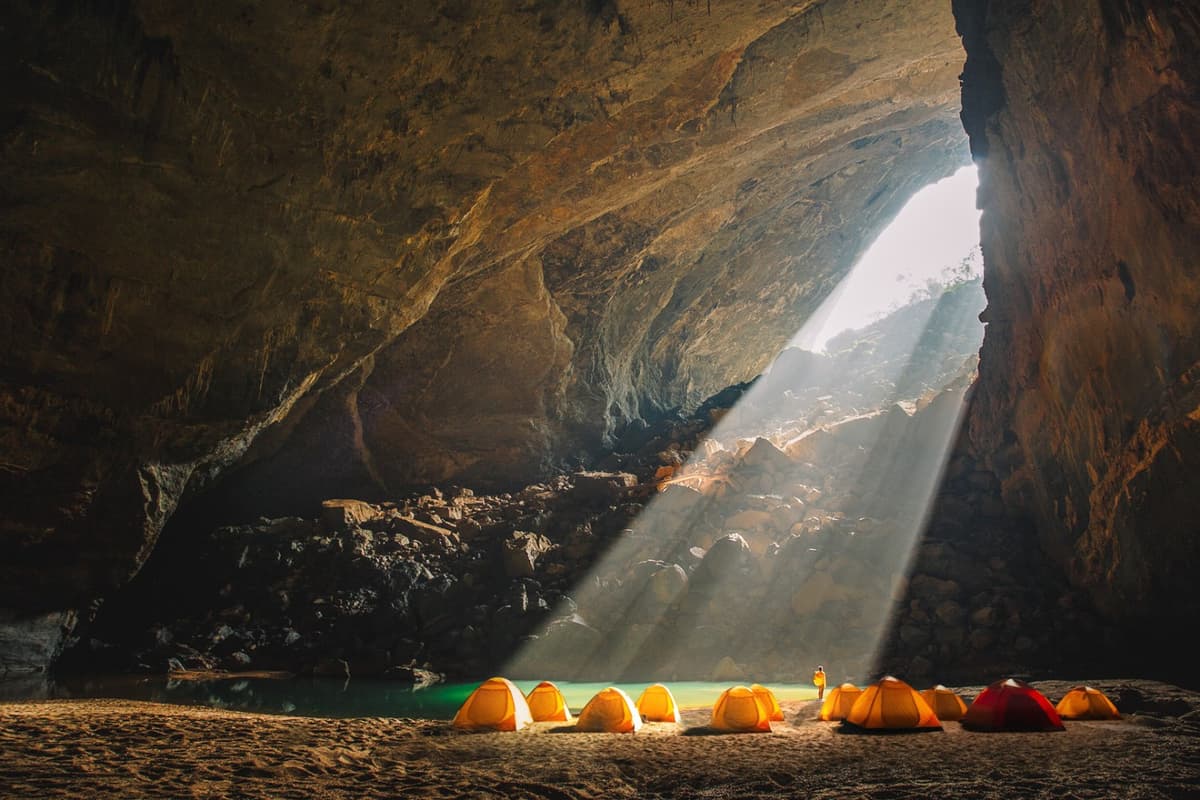
Leaving Hang En, trekkers cross a pristine valley before reaching the entrance of Son Doong Cave. Equipped with full safety gear, the journey continues deeper until reaching Doline 1 Campsite, located about five kilometers inside the cave. By late afternoon, around 4 p.m., explorers usually arrive as soft light filters through the cave ceiling.
The camp sits on a sandy terrace more than 50 meters above an underground river. Its location on the rim of the doline means natural light pours down, giving the space an ethereal atmosphere. Mist from the river below often rises, forming a veil of clouds right inside the cave—like standing under a miniature sky.
From the tents, guests can sip hot coffee while admiring the breathtaking doline vista through a thin layer of mist. It’s a moment that combines awe of nature’s grandeur with a profound sense of peace.
Doline 2 Campsite – The Garden of Eden
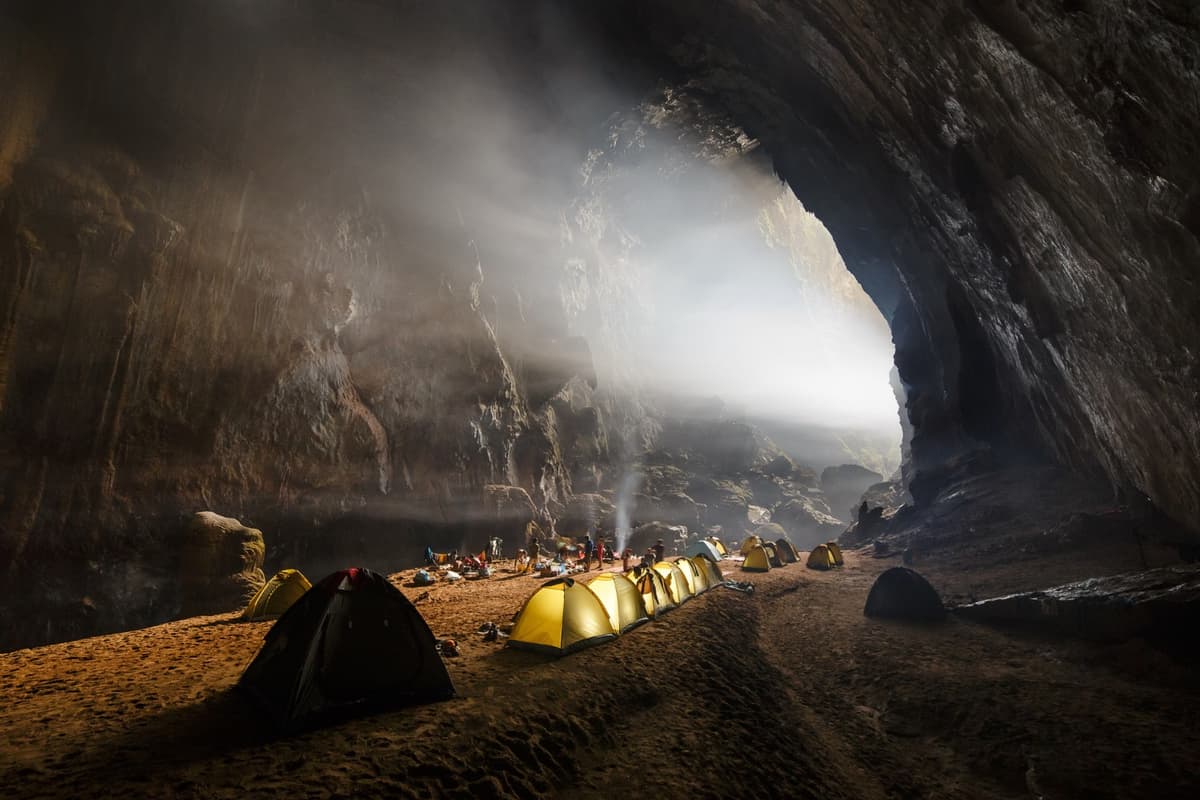
The final and most spectacular campsite lies deeper in Son Doong, beyond the Dinosaur Passage and the primeval jungle known as the Garden of Edam. Doline 2 Campsite is often called the Garden of Eden for its lush greenery and enchanting beauty.
Beneath a colossal stone arch, sunlight streams through the doline, making visitors feel as though they’ve stepped into another world. Birds sing, gibbons call, mist drifts across the jungle, and during the rainy season, waterfalls cascade from the cave ceiling, painting a scene almost too magical to believe.
Towering 40-meter-tall ancient trees thrive beneath the doline, while deeper in the darkness live unique creatures such as blind spiders and fish, perfectly adapted to eternal night. Camping here is the highlight of the entire expedition—an extraordinary moment where nature touches every sense and leaves an unforgettable mark.
Who Can Camp Inside Son Doong?
Camping inside Son Doong Cave is not a free activity—it is exclusively part of the official Son Doong Expedition operated by Oxalis Adventure, the only company licensed to run tours here. This means you cannot explore or set up tents on your own; participation with a professional guided team is mandatory.
1. Physical Requirements & Preparation
The expedition lasts 6 days and 5 nights, including two nights at a local hotel and three nights camping deep inside the cave. This is not just sightseeing—it’s a physically demanding journey that requires good overall health. Participants must not have serious conditions such as heart disease, respiratory issues, high blood pressure, or other chronic illnesses.
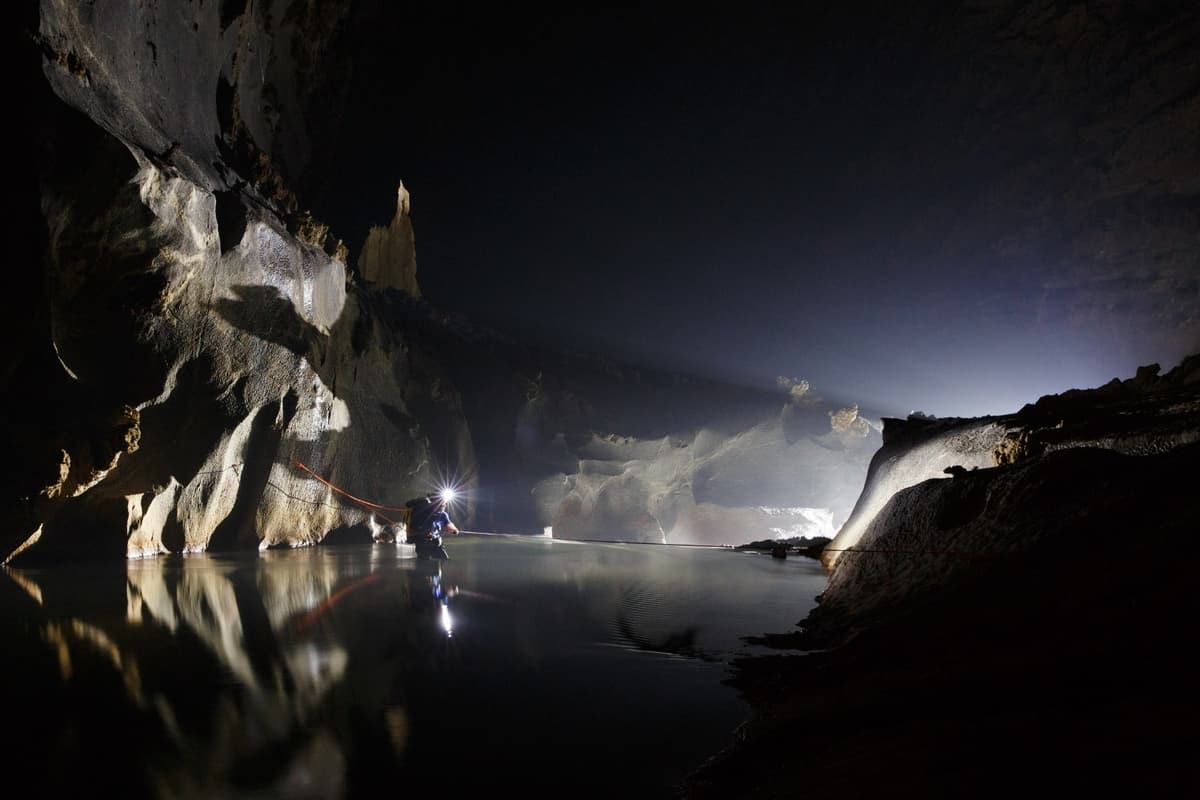
Travelers should expect to trek 10–12 km per day over rugged jungle and cave terrain, with steep climbs and river crossings. Previous experience in trekking, hiking, or outdoor sports is a major advantage. Each person also carries a personal backpack of about 3–5 kg, navigating slippery rocks, boulders, and confined spaces. The tour involves dark cave passages and even rope climbs along high rock walls, so comfort with heights, darkness, and narrow spaces is essential.
2. Limited Slots – Early Booking Required
For conservation and safety, only 1,000 visitors per year are allowed inside Son Doong, with each group limited to a maximum of 10 people. As a result, booking 6–12 months in advance is almost always required to secure a spot on this once-in-a-lifetime adventure.
Why Is Camping in Son Doong Unforgettable?
1. Camping Inside the World’s Largest Cave
Sleeping inside Son Doong—over 9 km long, with ceilings higher than 200 meters and passages wide enough to fit a 40-story building—is unlike any other experience. Within this vast underground world lies a unique ecosystem with a primeval jungle, underground river, and drifting clouds.
Light from two giant dolines sustains vegetation and creates a microclimate. Many compare it to stepping into Avatar’s world—mornings filled with mist among the trees, and nights silent except for dripping water and the whisper of wind.
2. Enjoying Delicious Meals Deep Underground
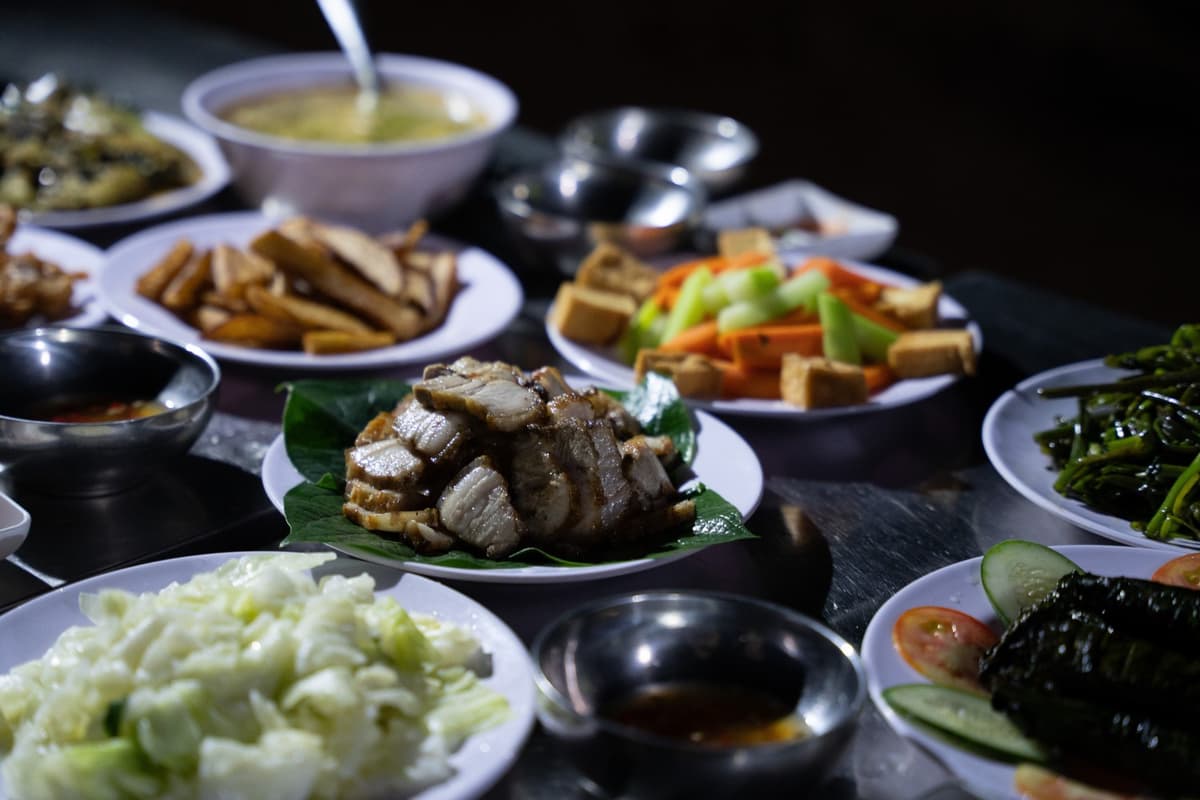
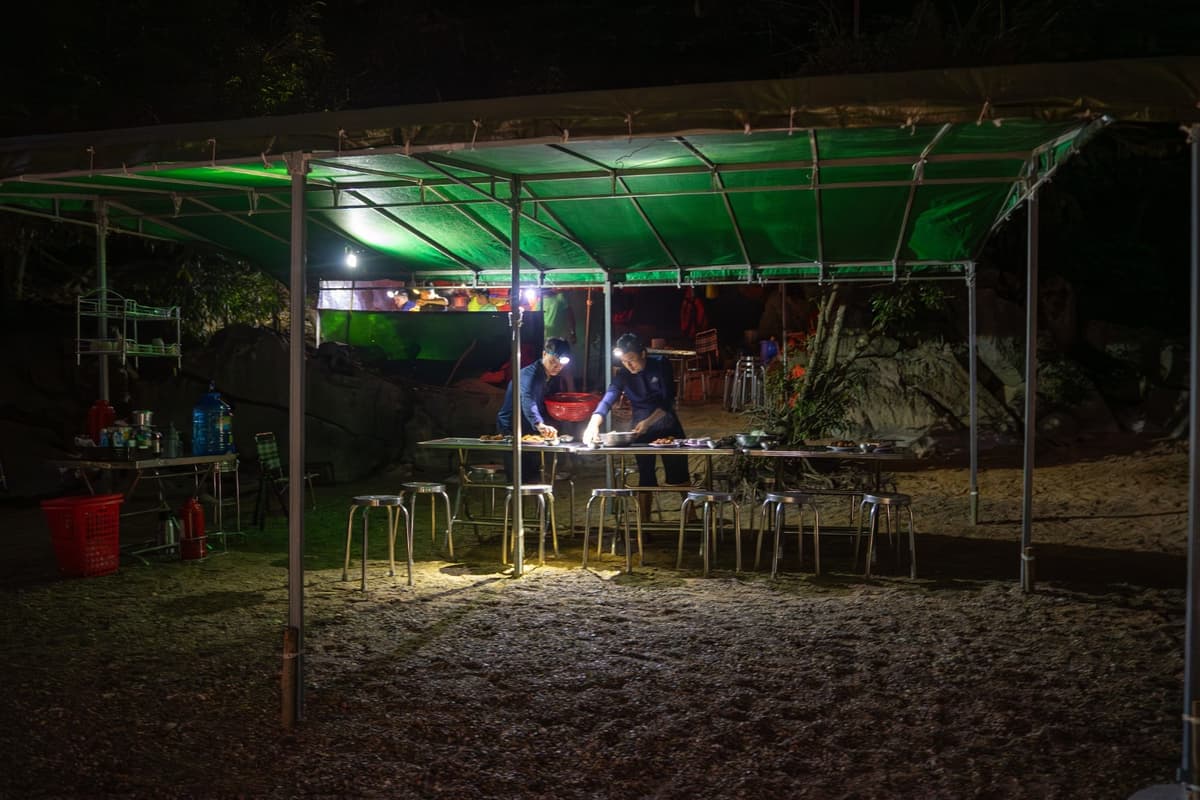
Despite the wild setting, guests enjoy freshly cooked, nutritious meals prepared by two local chefs accompanying each group. Many were once jungle foragers, now professionally trained in cooking, hygiene, and food safety. Supplies are delivered daily from trusted sources, ensuring freshness.
Special requests, such as vegetarian or dietary meals, are also accommodated. For many travelers, the cave dining experience is one of the most surprising highlights of the journey.
3. Bonding With Fellow Explorers
To date, fewer people have camped inside Son Doong than have reached the summit of Mount Everest. By 2024, only about 7,500 travelers will have experienced it, compared to over 12,000 climbers on Everest. Strict conservation policies keep numbers low—around 1,000 visitors per year, in groups no larger than 10.
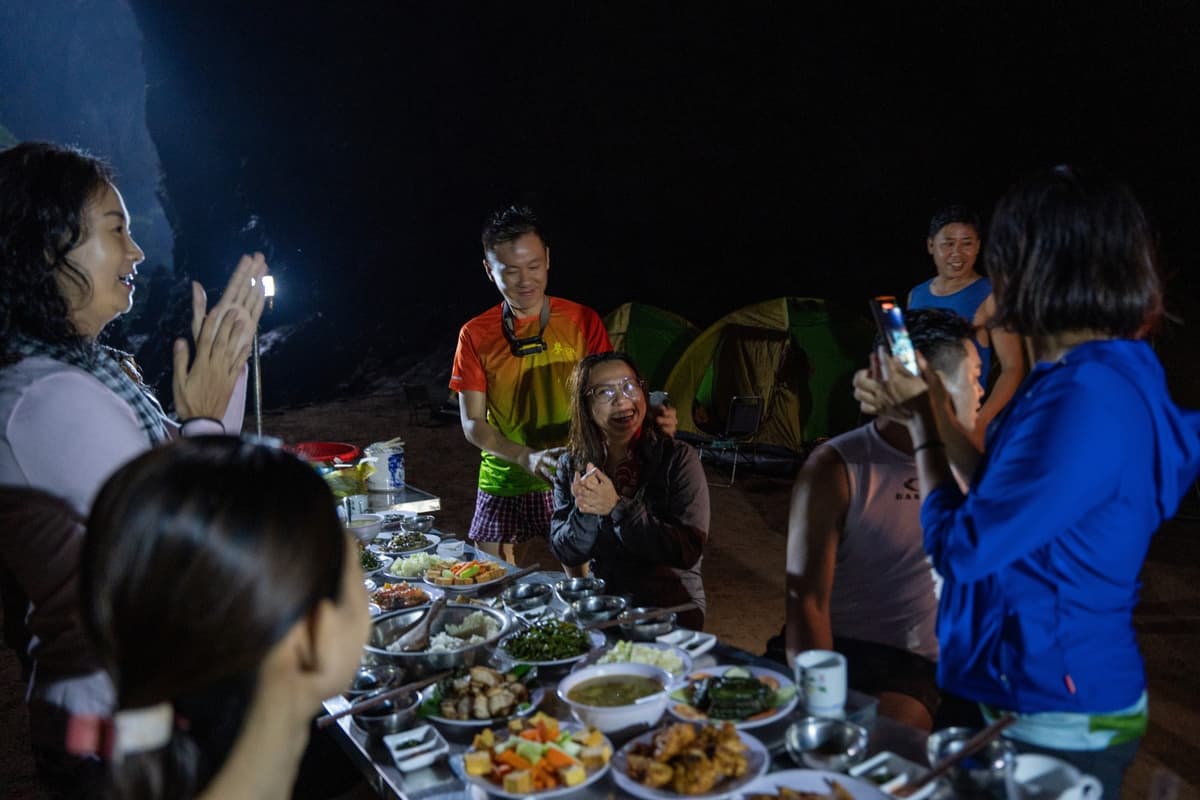
This exclusivity makes the journey even more special. Long treks, shared meals under lantern light, and personal stories exchanged in the cave foster deep connections among group members. These bonds, combined with the surreal setting, create memories unlike any other destination in the world.
Facilities at Son Doong Campsites
Although located deep in a wilderness environment, the campsites inside Son Doong are carefully prepared to ensure guests feel comfortable and safe while maintaining an eco-friendly spirit.
– Tents and Resting Areas:
Each guest can choose between a single or double tent before the trip begins. The tents are designed with double mesh doors for insect protection and wind flaps for ventilation and privacy. Inside, guests are provided with layered mattresses, pillows, and sleeping bags for a comfortable night’s rest.
To keep the area clean and dry, insulated pallets are placed under the tents to prevent dampness. All equipment is washed and sanitized after every expedition to ensure hygiene and safety.
– Kitchen and Dining Area:
Every campsite has a designated dining area with tables and chairs neatly arranged. Two professional chefs accompany each group, preparing hot, hearty meals that typically include soups, stir-fried dishes, and vegetarian or special diet options upon request.
Water for cooking and daily use is purified through a Watt filtration system from the U.S., regularly tested for quality. After filtration, it is boiled and cooled before being served, ensuring absolute safety. This water is used for drinking, tea, coffee, tooth brushing, and cooking. Boiled water is always available at each campsite for guests to prepare their own drinks.
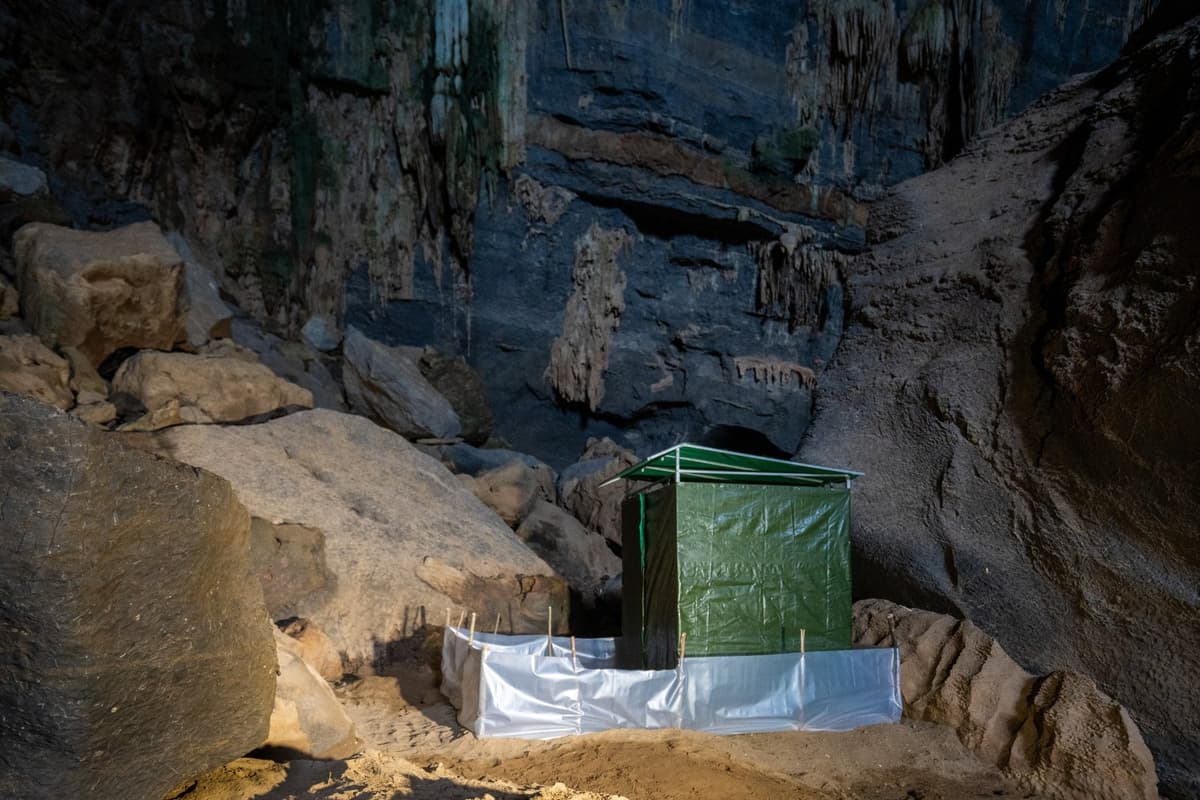
– Eco-Friendly Toilets and Waste Management:
To protect the fragile ecosystem, all campsites use compost toilets. These eco-toilets look similar to regular ones but have containers and biodegradable bags underneath to collect waste. After each use, guests sprinkle a layer of rice husks to absorb moisture and control odor.
When the containers are full, porters carry the waste out of the cave to a designated disposal site. Within two months, the waste decomposes naturally into organic fertilizer. Next to each toilet, there is a hand-washing station with biodegradable soap. Guests are also encouraged to avoid using shampoo or regular soap in the cave to protect water sources, instead opting for dry shampoo or wet wipes for personal hygiene.
Each campsite also has two changing tents and a drying area with racks and hooks for clothing.
Detailed Guide to Joining the Son Doong Expedition
– Organizer:
The Son Doong Expedition is exclusively operated by Oxalis Adventure, the only company officially licensed to organize tours inside the cave. Booking through Oxalis is the only safe and reliable way to participate.
– Requirements:
Participants must be in good general health, physically fit, and capable of trekking long distances. The tour lasts 6 days and 5 nights, covering around 25–30 km of trekking through steep slopes, streams, mud, and rugged limestone terrain. Travelers must provide honest health declarations and cannot suffer from heart disease, high blood pressure, or other chronic illnesses.
– Booking Process:
The first step is to carefully review the participation requirements. Then, select a suitable departure date, complete the online registration form, and provide details about your trekking experience. Once approved, you’ll confirm your booking with payment.
Afterward, you will receive training guidelines, a packing list, and assistance with booking hotels and transfers to Phong Nha. Before departure, you must update your health information to ensure safety for the entire group.
– Cost and Inclusions:
The Son Doong Expedition costs $3,000 due to limited slots and complex logistics. The fee includes professional guides, porters, safety staff, a doctor, specialized equipment, tents, meals, and accommodation in Phong Nha. Everything is carefully arranged to provide a safe and fulfilling experience.
– What to Pack:
Guests should bring long-sleeved trekking clothes, sturdy hiking shoes with good grip and drainage, high socks, and insoles. Essentials also include a 25L backpack, dry bags, sunscreen, sunglasses, sandals for camp, and swimwear.
Eco-friendly personal care items like dry shampoo or wet wipes are recommended to protect water sources. Luggage should be lightweight for daily trekking, while porters will carry bulkier items.
For a full step-by-step booking guide, conditions, costs, and preparation tips, see: Son Doong Expedition Guide from A to Z.
Frequently Asked Questions
1. Are the campsites safe?
Yes. All campsites are carefully selected by experts. Porters, guides, and safety staff are always present. Camps are set up in secure areas that have been surveyed to avoid landslides or environmental hazards.
2. Can I explore freely around the campsite?
You may walk around nearby areas, but deeper exploration is only allowed according to the itinerary and under guide supervision. This ensures both safety and conservation.
3. Why are the campsites always clean?
Strict sanitation and waste management systems are in place. Compost toilets are eco-friendly, and all waste is carried out by porters. After each tour, tents and equipment are cleaned and replaced if needed, keeping the campsite tidy and safe.
4. Should I worry about insects or wild animals?
Not much. The cave environment has very few harmful insects. Tents are equipped with insect-proof mesh, and guests may bring repellent if desired. As for wildlife, Son Doong is home to no dangerous animals, so you can rest easy.