




Vietnam is an attractive destination for travelers from all over the world. The country is well known for natural wonders such as Ha Long Bay, Ninh Bình, and Son Đoong Cave, along with cultural and scenic destinations like Ha Noi Capital, Hoi An, Da Nang, Ho Chi Minh City and the Mekong Delta. Thanks to its beautiful landscapes, rich culture, and long history, Vietnam attracts a large number of international visitors each year.
However, before starting the journey, most foreign travelers need to obtain a Vietnam visa. Having the correct visa is an essential step to ensure a smooth and trouble-free trip. Many travelers look for clear information about visa types, application procedures, fees, required documents, and whether visa services are available.
This article serves as a complete step-by-step guide to Vietnam visa, helping foreign travelers understand visa options, requirements, costs, and useful tips before traveling to Vietnam.
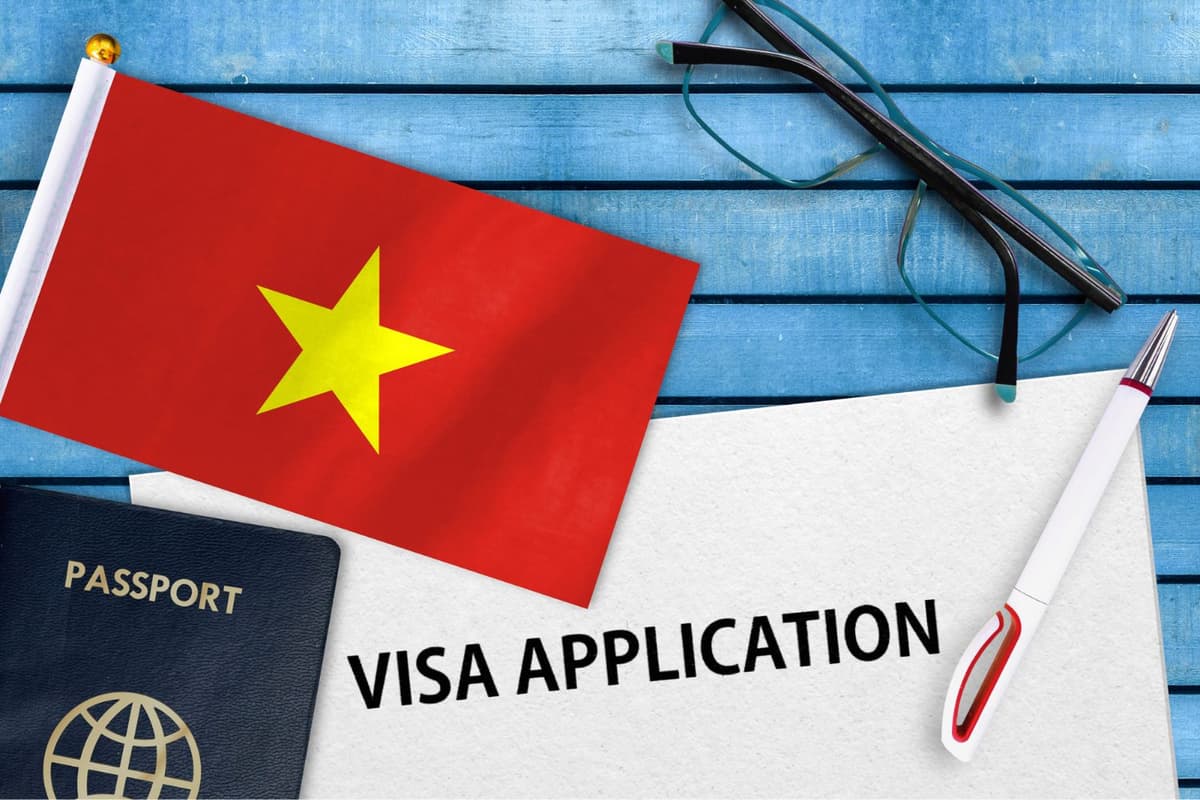
Ways to get a Vietnam tourist visa
There are several ways for foreign travelers to enter Vietnam for tourism, and the right option depends on your nationality and travel plan. Visitors may apply for a Vietnam tourist visa online, use a visa arranged by a Vietnamese travel company, or enter the country without a visa if they are eligible for Vietnam visa exemption.
By understanding these options in advance, travelers can choose the most suitable method and avoid problems during the entry process, helping ensure a smooth and stress-free trip to Vietnam.
Vietnam visa exemption (Visa-free entry)
Vietnam visa exemption allows travelers from certain countries to enter Vietnam for tourism without applying for a visa in advance. This policy is mainly for short stays and helps visitors save time and visa application costs.
The list of countries exempt from the Vietnam visa includes Russia, Japan, South Korea, Norway, Finland, Denmark, Sweden, the United Kingdom, France, Germany, Spain, and Italy. Citizens of these countries can stay in Vietnam for up to 45 days without a visa. This unilateral visa exemption policy is valid from March 15, 2025, to March 14, 2028, as long as all entry conditions are met.
In addition, citizens of 12 European countries: Belgium, Bulgaria, Croatia, the Czech Republic, Hungary, Luxembourg, the Netherlands, Poland, Romania, Slovakia, Slovenia, and Switzerland are also granted 45-day visa-free entry for tourism, regardless of passport type.
However, travelers from countries such as India, the United States, and Australia are not included in Vietnam’s visa exemption policy. For these visitors, a visa is required before arrival. Depending on nationality and travel plans, options like a Vietnam visa for Indians, a Vietnam visa for US citizens, or a Vietnam visa for Australians may include an electronic visa or another approved visa type.
Vietnam also offers visa-free entry to Phu Quoc Island for up to 30 days. This applies to travelers arriving directly from abroad or transiting through an international airport or seaport in Vietnam before continuing to Phu Quoc.
Besides these cases, Vietnam provides visa exemption for ASEAN Secretariat officials and allows visa-free entry for citizens of more than 90 countries in total. Under visa-free entry, travelers will receive a temporary stay stamp in their passport at the immigration checkpoint instead of a visa. To qualify, visitors must have a passport valid for at least six months and a return or onward flight ticket. Please note that visa-free entry cannot be extended automatically, and travelers must leave Vietnam before the allowed stay ends unless they obtain another valid visa.
If you are not eligible for a visa exemption, you can apply for one of the following types of visas.
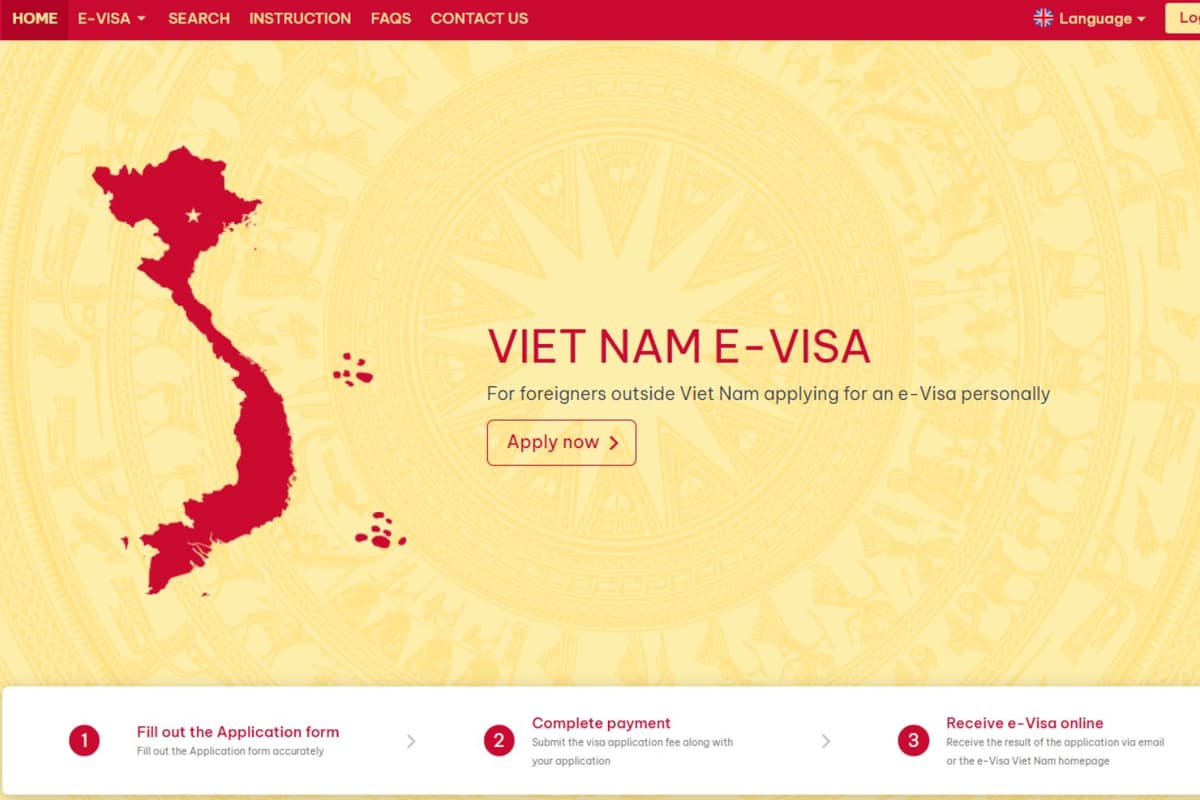
Vietnam electronic visa (Vietnam eVisa)
The Vietnam eVisa is an official electronic visa issued online by the Vietnamese government for foreign travelers visiting Vietnam for tourism. It is one of the easiest and most convenient options for short-term visitors.
This type of visa allows tourists to stay in Vietnam for up to 90 days and can be issued for single or multiple entries. Travelers can apply for this visa online without visiting an embassy or using a travel agent, which makes it suitable for independent travelers and first-time visitors.
The Vietnam eVisa application process is fully online and easy to follow. After submitting personal information, passport details, and required documents, applicants usually receive the result within a few working days by email. When entering Vietnam, travelers need to present their passport together with a printed copy of the approved eVisa to receive a temporary stay stamp.
The Vietnam eVisa is available to citizens of most countries and can be used to enter Vietnam through many international airports, land borders, and seaports, making it a flexible option for tourists planning different travel routes.
Vietnam tourist visa through a sponsoring travel company
This option is suitable for travelers who apply for a visa on arrival with support from a licensed travel company in Vietnam. It is important to note that a visa on arrival is not a visa-free entry and not an online visa. Travelers must complete part of the process before departure.
To clarify, a visa on arrival for Vietnam explained means that tourists must first obtain an official visa approval letter issued by the Vietnamese Immigration Department through a sponsoring travel company. This letter must be secured before traveling to Vietnam.
After arriving at a designated international airport, travelers present the approval letter, their passport, photos, and pay the stamping fee to receive the visa stamp at the immigration counter. This option is commonly used by travelers who are not eligible for a Vietnam eVisa or who prefer assistance from a local agency.
Conditions to apply for a Vietnam tourist visa
To apply for a Vietnam tourist visa, foreign travelers must meet several basic Vietnam visa requirements set by the immigration authorities. The most important condition is having a valid passport. Your passport must be valid for at least 6 months from the date you plan to enter Vietnam and should be in good condition, with clear information and no damage.
Applicants must also not be on the list of people who are banned or restricted from entering Vietnam. This rule applies to all travelers and is carefully checked during the visa application and entry process. Visitors who have previously violated immigration rules in Vietnam may face difficulties when applying again.
Another key requirement is having a clear purpose of entry. Travelers must enter Vietnam for tourism only, not for work or long-term study. A simple travel plan, hotel booking, or accommodation confirmation is usually enough to show your purpose of visit. Meeting these conditions is essential for a smooth Vietnam visa application and helps ensure that the visa is issued without unnecessary delays.
How to apply for a Vietnam tourist visa for foreigners
There are different ways to complete the Vietnam visa application, depending on whether you apply online, use a sponsoring travel company, or enter Vietnam under visa-free rules. Understanding the correct procedure will help you avoid mistakes and ensure a smooth entry into the country.
Entry procedures under visa exemption
Travelers from visa-exempt countries do not need to apply for a visa before coming to Vietnam. When arriving at an airport or land border, immigration officers will check the passport and stamp it with the allowed length of stay. This period is usually 14, 30, or 45 days, depending on nationality and current regulations.
Visitors should make sure their passport is valid for the whole trip and that their travel plans stay within the permitted number of days.
How to apply for a Vietnam electronic visa
The electronic visa is the simplest and most popular option for foreign travelers today. This method is suitable for tourists who want to apply independently and complete the Vietnam eVisa application process online. The application includes the following steps:
– Step 1: Visit Ministry of Public Security Immigration Department Website: https://evisa.gov.vn/
– Step 2: Fill in your personal information, travel purpose, and planned entry point
– Step 3: Upload a passport-sized photo and a scanned copy of your passport
– Step 4: Pay the visa fee online according to the regulations
– Step 5: Track your application and receive the result by email within 3 – 5 working days
When arriving in Vietnam, travelers must present their original passport and a printed copy of the approved electronic visa to receive a temporary stay stamp at the immigration checkpoint. To better plan your personal schedule, you can apply for an eVisa up to 1 year before your planned entry date.
How to apply for a tourist visa through a sponsoring travel company
When applying for a tourist visa through a sponsoring travel company, foreign travelers do not need to handle complicated paperwork by themselves. Instead, visitors only need to prepare a few basic documents and personal details so the travel company can complete the application on their behalf.
In most cases, travelers are asked to provide a scanned copy of their passport, personal information as shown on the passport, and a simple travel plan for the trip to Vietnam. Some travel companies may also request basic accommodation details or flight information to support the visa application.
After submitting these details, travelers simply wait for the visa approval. Once approved, the visa can be collected at an international airport in Vietnam as a visa on arrival.
Vietnam tourist visa fees
The Vietnam visa fees and payment methods vary depending on the visa type, number of entries, and length of stay. The Vietnam tourist visa fee usually ranges from USD 5 to USD 155.
The visa fee also depends on whether you choose a single-entry or multiple-entry visa, as well as the permitted duration of stay.
Important notes about visa fees:
- Visa fees collected by the Vietnamese Government are non-refundable, even if your application is rejected.
- Service fees charged by visa agencies or intermediaries are not included in the official visa fee.
Important notes when applying for a Vietnam visa
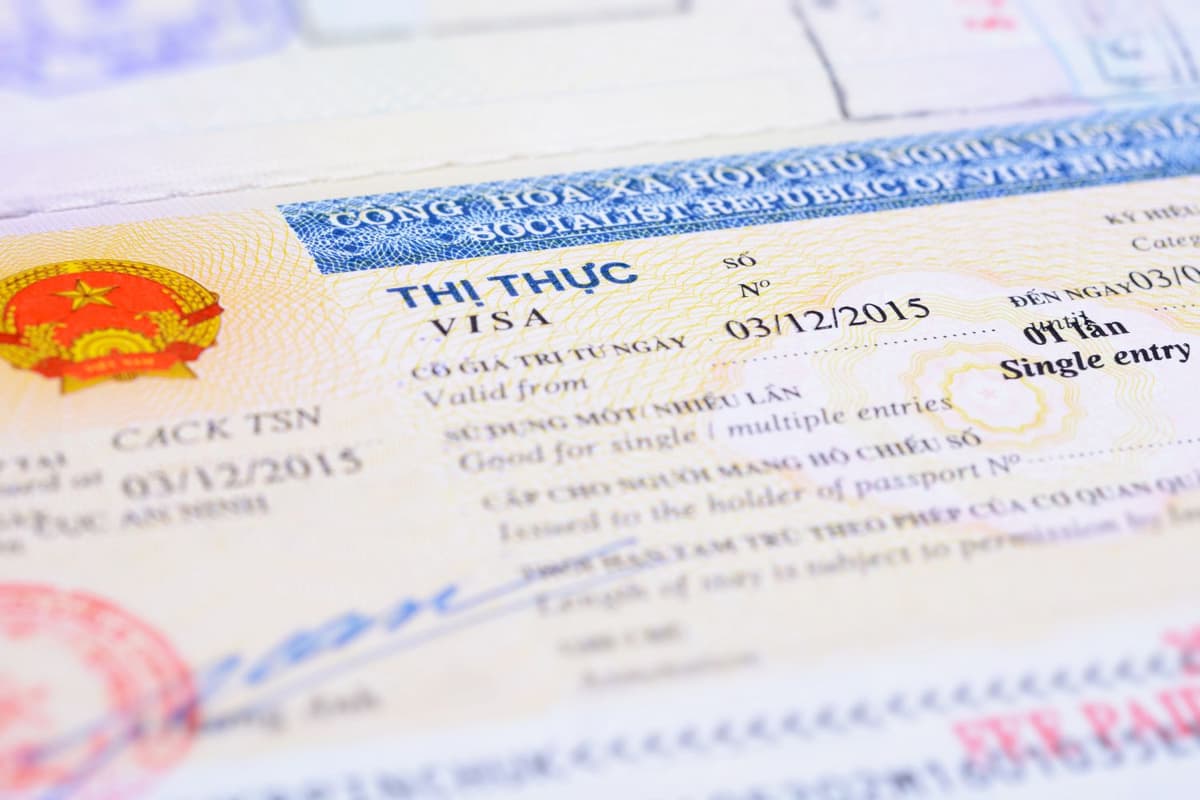
When applying for a Vietnam visa, travelers should make sure that all information and documents provided are accurate and truthful. Any false declaration or fake documents may lead to visa refusal or even a ban on entering Vietnam in the future. It is strongly recommended to submit your visa application at least 30 days before your planned travel date to allow enough time for processing and possible corrections if needed.
Your personal details, including full name, passport number, and date of birth, must match your passport exactly. Even small differences can cause delays or rejection. In addition, applicants must not be on the list of people prohibited from entering Vietnam under current immigration regulations. Having a clear travel plan, such as a basic itinerary or hotel booking, also helps show that your purpose of entry is tourism.
Following these guidelines are useful tips for getting a Vietnam visa easily, especially for first-time visitors.
FAQs Vietnam Visa
1. What should I do if my Vietnam visa application is rejected?
A Vietnam visa rejection can happen for several common reasons, such as incorrect personal information, unclear travel purpose, invalid passport details, or missing required documents. Understanding common Vietnam visa rejection reasons and solutions will help travelers prepare better and improve their chances in future applications.
If your application is refused, the first step is to carefully review your submitted information to identify any errors or inconsistencies. Once the mistake is corrected, you may submit a new application with updated and accurate details. In some cases, travelers may consider applying through a different visa option that better matches their travel situation, such as changing the visa type or using a different application method. Making sure your documents are complete and consistent will greatly improve your chances of approval on the next attempt.
2. Can I extend my Vietnam tourist visa?
According to current regulations, foreign nationals who enter Vietnam on a tourist visa are not allowed to extend their stay. Therefore, travelers must leave Vietnam before their visa expires to comply with immigration rules.
3. Can I change a Vietnam tourist visa to another visa type?
According to law, only the following cases are allowed to change the visa purpose while staying in Vietnam:
- Having a valid work permit or a work permit exemption certificate, sponsored by a legally registered company in Vietnam.
- Being married to, or being the parent of, a Vietnamese citizen.
- Being an investor or a legal representative of an investment organization in Vietnam.
- Being invited and sponsored by a legally recognized organization with an official immigration approval letter.
4. Can I correct mistakes on my Vietnam eVisa (name, passport number)?
If you enter Vietnam with an eVisa that contains incorrect information, you may apply for an urgent eVisa at the border checkpoint. In cases where there is not enough time to apply for a new eVisa, you should contact the relevant support service to submit your information and request direct assistance to correct the error.
5. What common mistakes on a Vietnam eVisa can lead to entry denial?
– Incorrect purpose of entry: For example, traveling for tourism but selecting Business activities on the eVisa, or choosing Business activities without providing valid information about the Vietnamese company or partner.
– Passport number errors: The passport number on the eVisa does not match the number shown on the original passport.
– Wrong nationality or passport country: The country or territory listed on the eVisa is misspelled or does not match the passport information.
– Incorrect date of expiry: Errors in the day, month, year, or date format compared to the passport details.
– Incorrect full name: The full name is misspelled, incomplete, or written in the wrong order compared to the passport.
– Incorrect date of birth: The date of birth is wrong or written in the wrong format
– Invalid “valid from” date: The start date of the visa is incorrect, making the eVisa not yet valid at the time of entry.
– Incorrect “valid until” date: The expiration date of the eVisa is wrong, which may cause overstaying or refusal of entry.
6. Can I enter Vietnam earlier or later than the date stated on my visa?
You cannot enter Vietnam before the visa’s start date. However, you may enter later, as long as your entry is within the visa’s valid period. The length of stay is counted from your actual entry date, not from the visa issuance date.